Watercolor Sunflower Cowboy Illustrations for Editorial Use
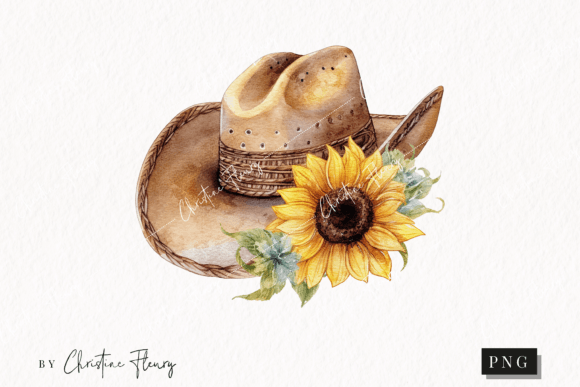
As a digital publisher and blog designer, I evaluate every graphic design asset through the lens of reader retention and brand authority. When I first opened the files for the Watercolor Sunflower Cowboy Clipart collection, my immediate assessment focused on its editorial versatility. This is not merely a decorative element; it is a specific visual anchor that bridges two distinct aesthetics: rustic western heritage and soft, feminine botanical art. The mood created is one of nostalgic warmth and approachable authenticity. For content creators in the lifestyle, country living, or seasonal crafting niches, these illustrations signal to the reader that the content is curated, personal, and visually rich. Unlike generic stock vectors, the hand-painted texture establishes an emotional connection before the user even reads the headline, which is critical for reducing bounce rates on creative blogs.
Elevating Blog Graphics and Featured Images
In a real publishing workflow, the featured image is the primary driver of click-through rates from search engines and social feeds. I tested this Watercolor Sunflower Cowboy Clipart as a central element in a 1200x630px featured image template. The organic edges of the watercolor sunflowers provide a natural frame for negative space, allowing headline text to sit comfortably without competing with the artwork. This balance is essential for maintaining a clear visual hierarchy. When designing blog graphics for articles about fall fashion, western home decor, or seasonal recipes, this asset prevents the layout from feeling sterile. It adds a layer of professional polish that distinguishes independent publishers from low-effort content farms. By anchoring your post thumbnails with consistent illustrative elements, you train your audience to recognize your content instantly in crowded RSS feeds or Google Discover results.
Strategic Application in Pinterest Pins and Social Media
Pinterest remains a vital traffic source for visual niches, and vertical graphics require bold, legible imagery. I integrated these illustrations into several Pinterest pin templates to test their scalability. The high contrast between the vibrant yellow petals and the detailed cowboy motifs ensures the graphic remains distinct even when viewed on small mobile screens. For social media graphics, specifically Instagram carousels or Facebook share images, this clipart serves as an excellent background texture or corner accent. It softens the hard lines of promotional text, making affiliate marketing posts feel more like genuine recommendations and less like aggressive sales pitches. When creating Canva templates for clients or personal use, having a cohesive set of western botanical elements allows for rapid production of branded visuals that maintain a unified aesthetic across all platforms.
Enhancing Digital Products and Lead Magnets
Beyond blog posts, monetized websites often rely on digital downloads to build email lists and generate revenue. I reviewed this asset’s suitability for printable design and digital guide covers. The resolution and artistic style are perfectly suited for eBook covers, worksheet headers, and planner stickers. In the context of a lead magnet, such as a "Western Party Planning Checklist" or a "Fall Decor Guide," the Watercolor Sunflower Cowboy Clipart elevates the perceived value of the freebie. Readers are more likely to trust and download a resource that looks professionally designed. Furthermore, for those selling commercial design assets or print-on-demand products, verifying the commercial license is paramount. This collection supports small business branding by providing unique visuals that cannot be easily replicated by competitors using basic AI generators or overused stock photos.
Editorial Layouts and Website Header Integration
For website headers and category banners, consistency is key to a strong brand identity. I experimented with placing these illustrations in the hero section of a lifestyle blog mockup. The watercolor texture blends seamlessly with cream, beige, or denim-blue backgrounds, creating a welcoming entry point for visitors. However, editorial design requires restraint. While these illustrations are beautiful, they must support the content rather than overwhelm it. In article bodies, use them as dividers between sections or as pull-quote accents to break up long-form text. This improves readability and keeps users engaged longer. For newsletter creators, incorporating a small sunflower or cowboy hat motif in the email header can significantly increase open rates by reinforcing brand recognition in the inbox.
Performance Considerations and Visual Hierarchy
A beautiful asset is useless if it degrades site performance or confuses the user. From a web design perspective, I always advise testing new graphics across devices. While the Watercolor Sunflower Cowboy Clipart shines on desktop displays, you must ensure it does not clutter mobile thumbnails. On smaller screens, intricate details can become muddy. I recommend cropping to the focal point—perhaps just the sunflower cluster or just the hat—for mobile-specific CSS or responsive image settings. Additionally, check file sizes. Watercolor textures can result in large PNG files. Always compress these images using modern formats like WebP to maintain visual fidelity while ensuring fast load times. Slow sites kill conversion rates, no matter how pretty the graphics are.
- Contrast Testing: Always preview text overlays against the busiest part of the illustration to ensure WCAG accessibility compliance.
- Font Pairing: Test the clipart beside serif fonts for a traditional editorial look, or handwritten scripts for a personal journal vibe. Avoid overly geometric sans-serifs that may clash with the organic watercolor edges.
- Grayscale Check: View the asset in black and white to confirm it still holds its shape and value structure without relying solely on color.
- Licensing Verification: Before using on affiliate pages or paid products, double-check the specific commercial license terms regarding redistribution and modification.
Where to Exercise Caution in Content Publishing
While versatile, this specific aesthetic is not universal. I would advise against using Watercolor Sunflower Cowboy Clipart in highly corporate, tech-focused, or minimalist luxury niches where the whimsical nature might undermine professional authority. It also requires careful handling in text-heavy layouts; if your blog post is dense with data or technical information, the playful illustration might create cognitive dissonance. Furthermore, avoid placing detailed text directly over the complex watercolor textures without a solid backing or overlay, as this destroys readability. Finally, be mindful of seasonal relevance. While sunflowers have a long shelf life, the specific cowboy motif may pigeonhole evergreen content if not used thoughtfully. Reserve the full combination for seasonal peaks and use isolated elements for year-round branding to maintain flexibility in your content marketing strategy.
Ultimately, integrating this graphic design asset into your publishing workflow offers a tangible upgrade to your visual identity. It transforms standard blog posts into immersive editorial experiences and turns simple lead magnets into desirable digital products. By applying these practical design principles and performance checks, publishers can leverage the charm of western botanical art to build trust, enhance engagement, and drive meaningful action from their audience. Whether you are updating your media kit, refreshing your Pinterest strategy, or launching a new printable line, these illustrations provide the creative foundation necessary for polished, professional content.