Evaluating Watercolor Pink Fairy Clipart Magic for Local Branding and Packaging
First Impressions: Whimsical, Soft, and Inviting
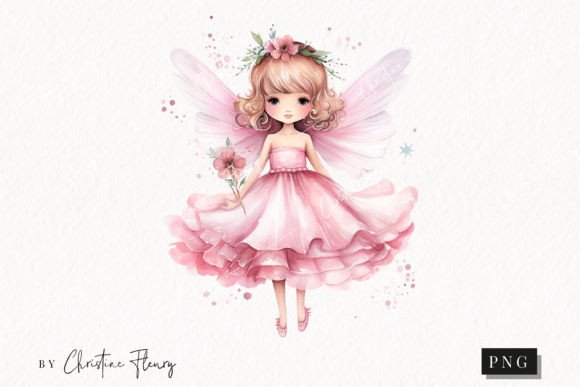
As a brand designer working with local small businesses, the first thing I noticed about Watercolor Pink Fairy Clipart Magic is its delicate, dreamy aesthetic. The soft watercolor strokes and pastel pink tones evoke a sense of magic and playfulness. This style immediately suggests a brand personality that’s feminine, gentle, and slightly mystical—perfect for businesses targeting a younger audience, a niche wellness market, or a boutique-style product line.
It feels handmade, slightly nostalgic, and has a softness that could work beautifully for a children’s product brand, a skincare line, or even a seasonal product campaign like Valentine’s Day or spring collections.
Practical Use Cases in Local Business Branding
This illustration set isn’t just decorative—it has real application potential. I can easily picture it being used in logo design for a boutique bakery or a children’s clothing brand. It could serve as a central icon in brand identity materials, especially for brands that want to feel approachable and imaginative.
- Product labels for handmade soaps or bath bombs
- Hang tags for boutique apparel or artisan gifts
- Thank-you cards or packaging inserts for a small business seller
- Social media graphics for a wellness or lifestyle brand
- Seasonal promotional banners for a local florist or candle shop
Its versatility allows it to function as a hero graphic or a subtle decorative element. In packaging design, it could work as a central visual motif on a box or as a corner accent on a sticker seal.
How It Elevates Brand Presentation
When evaluating a graphic design asset like Watercolor Pink Fairy Clipart Magic, I always consider how it contributes to a brand’s visual strength. Here’s how it helps small businesses stand out:
- Stronger first impression: Its unique aesthetic catches the eye immediately.
- Better product recognition: The fairy motif becomes a memorable brand signature.
- Clearer visual hierarchy: It can be scaled and layered to guide attention.
- More consistent brand identity: Used across packaging, social media, and print, it creates a unified look.
- Improved customer trust: A polished design suggests professionalism and care.
In short, this illustration can be a key element in building a cohesive and emotionally resonant brand presence—especially for small businesses competing in saturated markets.
Best Applications for Maximum Impact
From a design execution standpoint, Watercolor Pink Fairy Clipart Magic works best in the following contexts:
- Product labels: Especially for beauty, bath, or food items with a soft, organic vibe.
- Packaging accents: Adds a whimsical touch to gift boxes, tissue paper, or envelope seals.
- Hero graphics: Ideal for landing pages, product mockups, or social media headers.
- Seasonal packaging: Perfect for Valentine’s Day, spring launches, or limited-edition collections.
- Boutique visuals: Works well for a curated, artisanal aesthetic in retail or event branding.
Its ethereal quality makes it especially effective in creating a sense of magic or escape—ideal for brands selling into emotional or aspirational markets.
Where to Use It with Caution
While beautiful, this design asset may not be suitable for every application. I’d advise caution in the following scenarios:
- Formal corporate branding: Too playful for serious or luxury markets.
- Very small labels: Details may get lost in tiny print formats.
- Crowded product packaging: Could clash with other design elements.
- Ingredient-heavy layouts: Not ideal for food packaging with lots of required text.
- Low-contrast backgrounds: May fade or become illegible if not placed thoughtfully.
For brands aiming for a minimalist or luxury positioning, this asset may need to be used subtly or paired with more refined elements to avoid looking too casual.
Designer Notes: Practical Considerations Before Use
Before implementing Watercolor Pink Fairy Clipart Magic into a client’s brand or product line, here are the key checks I always run:
- Test it on real packaging mockups: See how it looks in context, especially in print.
- Check black and white usage: Confirm it still reads well if printed in grayscale.
- Preview on small labels: Ensure fine details remain legible.
- Test with brand colors: Make sure it complements your existing color palette.
- Compare with competitor packaging: Ensure it stands out in your market space.
- Check print quality: Confirm resolution and color accuracy for physical production.
- Review PNG transparency: If using digitally or layered, ensure edges are clean.
- Inspect SVG or vector editability: Make sure you can adjust stroke weights or colors if needed.
- Test with different fonts: Pair it with serif, sans-serif, script, and handwritten fonts to see which styles harmonize best.
- Confirm commercial licensing: Always double-check that the asset is cleared for client use, product packaging, or resale.
These steps help ensure that the asset doesn’t just look good in theory but performs well in real-world applications—from digital marketing to shelf-ready packaging.
Final Thoughts: A Versatile Asset for Emotional Branding
Watercolor Pink Fairy Clipart Magic is more than a pretty image—it’s a tool for storytelling. When used thoughtfully, it can elevate a small business’s branding from generic to magical. Whether it’s on a candle jar, a boutique thank-you card, or a seasonal social media campaign, this illustration brings a sense of wonder and warmth that resonates with customers.
For local businesses looking to stand out with a softer, more imaginative brand voice, this graphic design asset could be just the touch of magic they need.