Books Watercolor Clipart: A Designer’s Review for Local Branding & Packaging
First Impressions: Soft, Literary, and Perfectly Artisan
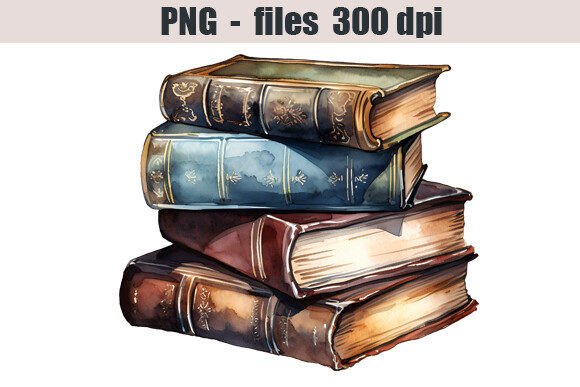
Opening the Books Watercolor Clipart collection feels like stepping into a cozy independent bookstore—warm, inviting, and full of character. The soft brushstrokes and muted tones evoke a sense of nostalgia and craftsmanship, making it a strong contender for small businesses aiming to communicate a handmade, thoughtful brand identity. This set of illustrations leans toward the feminine, elegant, and slightly whimsical—ideal for boutique brands, children’s products, or artisanal packaging that wants to feel personal and approachable.
Who Is This Clipart For? Brand Personalities That Shine With Watercolor
If you're designing for a local bakery with a literary theme, a boutique candle brand inspired by classic novels, or a handmade soap business with a bookish twist, these Books Watercolor Clipart illustrations will feel right at home. They carry a softness that works well for brands wanting to feel premium without being overly formal. Think of a coffee shop that also hosts book readings, or a children’s clothing line that uses storybook motifs. These visuals help build a brand personality that's both creative and emotionally resonant.
Real-World Use: From Product Packaging to Social Media Campaigns
As a brand designer, I always look for design assets that can flex across multiple touchpoints. The Books Watercolor Clipart delivers on that front. Here’s how I see it working in a real small business branding project:
- Product labels – Use watercolor book motifs on tea or candle labels to suggest a curated, thoughtful experience.
- Hang tags – Perfect for boutique apparel or handmade jewelry with a literary theme.
- Thank-you cards – Add a warm, personal touch to post-purchase customer interactions.
- Stickers and packaging accents – Ideal for subscription boxes or indie bookstores shipping orders.
- Social media graphics – Create cohesive visual storytelling for seasonal campaigns like “Summer Reading Vibes” or “Cozy Winter Reads.”
- Website banners and hero graphics – Especially useful for editorial-style web design or landing pages for creative businesses.
How It Elevates Brand Presentation
Using the Books Watercolor Clipart in a branding project isn’t just about aesthetics—it’s about perception. These illustrations help create a stronger first impression, especially in competitive markets like handmade products or indie retail. They support a clearer visual hierarchy by acting as decorative anchors that guide the viewer’s eye through a layout. Whether on a product mockup or a printed insert, they elevate the overall design and suggest a more polished, intentional brand identity.
For local businesses, this can translate into better product recognition and improved customer trust. When packaging or promotional visuals feel cohesive and well-designed, it signals professionalism and care—two qualities that small businesses can’t afford to overlook.
Where This Clipart Works Best
In my experience, these illustrations shine brightest when used in the following contexts:
- Seasonal packaging – Think holiday gift sets or limited-edition book-themed collections.
- Decorative brand elements – As part of a patterned background or accent graphic on product inserts.
- Promotional banners – Especially in Canva templates or digital ads for small business campaigns.
- Product mockups – Ideal for visualizing packaging or printed materials before production.
- Social media campaign graphics – Helps maintain a consistent visual theme across platforms.
When to Use With Caution
While the Books Watercolor Clipart has a lot of charm, it’s not a one-size-fits-all solution. I’d recommend using it carefully in the following scenarios:
- Formal corporate branding – The soft, artistic style may not align with more traditional or luxury brands.
- Very small labels – Details may get lost at tiny sizes, especially in print.
- Crowded packaging layouts – It can compete with other design elements and reduce readability.
- Ingredient-heavy designs – Not ideal for food labels or packaging where clarity is key.
- Low-contrast backgrounds – The watercolor style may fade into the background if not placed carefully.
Practical Designer Notes: What to Test Before Finalizing
Before integrating Books Watercolor Clipart into a client’s branding or product packaging, here are a few practical steps I always take:
- Test it on real packaging mockups – See how it looks in 3D, especially for product boxes or label wraps.
- Check black and white usage – Confirm it still works in grayscale or monochrome prints.
- Preview on small labels – Ensure key details remain visible at reduced sizes.
- Test with brand colors – Watercolor illustrations often look best when paired with soft, muted palettes.
- Compare with competitor packaging – Make sure it stands out while staying true to the brand.
- Review print quality – Check for pixelation or color shifts when printed.
- Inspect SVG or vector editability – If available, make sure you can adjust colors or crop without losing quality.
- Test with different fonts – Pair with script, serif, or handwritten fonts to see which combinations feel most cohesive.
- Confirm commercial licensing – Always double-check that the design asset is cleared for use in physical products and business branding.
Final Thoughts: A Thoughtful Addition to Local Branding Kits
For small business owners and brand designers looking to inject a touch of softness, elegance, and narrative into their visual identity, the Books Watercolor Clipart is a valuable asset. It supports a wide range of creative applications—from product packaging to social media graphics—and works especially well for brands that want to feel personal, curated, and artisanal. When used thoughtfully and tested thoroughly, it can elevate the overall presentation of a local business and help create a stronger emotional connection with customers.