Wedding Watercolor Flowers Clipart Review
As a designer who spends more time behind an embroidery machine than a computer screen, I approach digital assets with a healthy dose of skepticism. When I first opened the Wedding Watercolor Flowers Clipart collection, my immediate thought wasn't about how pretty the illustrations looked on my monitor, but whether they could survive the translation from pixel to thread. For those of us running a craft business or managing an Etsy shop, beautiful artwork is only half the battle; the other half is stitchability. After reviewing these assets and testing their potential for real-world application, here is my practical assessment for fellow makers and apparel decorators.
First Impressions: Soft Aesthetics vs. Stitch Reality
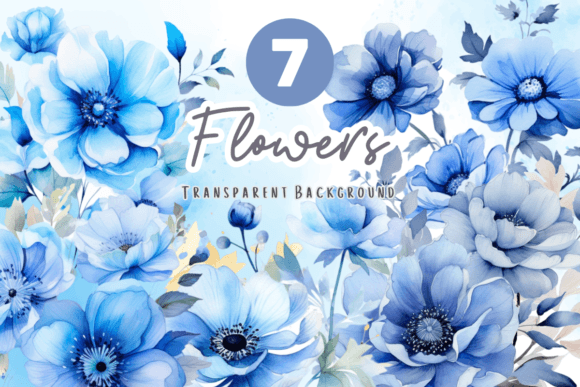
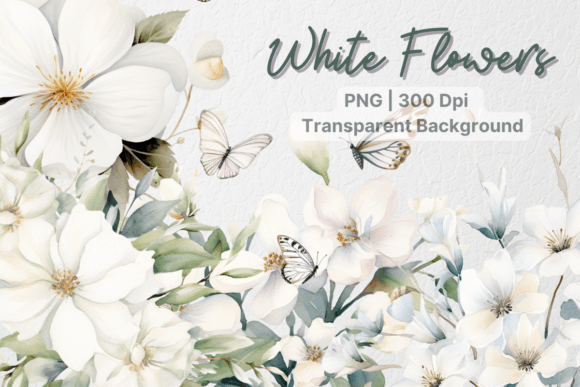
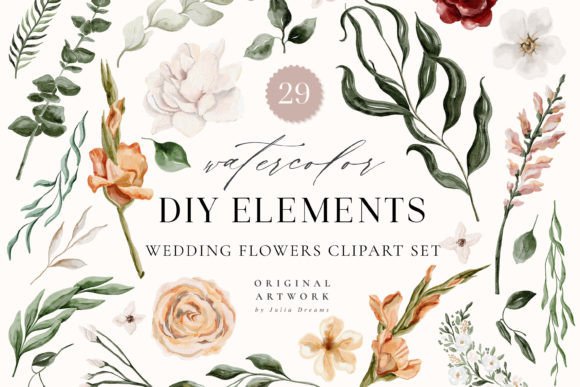
The visual personality of this Wedding Watercolor Flowers Clipart set is undeniably romantic. The color blending is subtle, avoiding the harsh, blocky gradients that often plague lower-quality floral designs. From a design perspective, this softness creates a mood of elegance that is perfect for bridal markets. However, as an experienced reviewer, I look at these watercolor washes and immediately think about stitch density. Watercolor effects in machine embroidery require complex layering of fill stitches and varying thread colors to mimic paint transparency.
What stands out positively here is the composition. The floral arrangements have organic flow rather than rigid symmetry. This is crucial because organic shapes forgive minor registration shifts during stitching better than geometric patterns. If you are planning a personalized gift or boutique product, this natural layout suggests movement, which helps the finished embroidery feel hand-painted rather than stamped. Just remember that while the digital file is categorized under Illustrations, your embroidery software will need to interpret those soft edges into tangible satin or fill stitches.
Real-World Test: The Bridal Tote Bag Scenario
To truly evaluate this asset, I mentally prototyped a project that many small shop owners face: a custom canvas tote bag for a bridal party. Canvas is a forgiving fabric texture, making it an ideal candidate for detailed florals. Using the Wedding Watercolor Flowers Clipart as the centerpiece, I considered how the design would interact with the coarse weave of the canvas.
In this scenario, the watercolor style actually works to our advantage. Unlike crisp vector art that demands perfection, the painterly nature of this design allows for some textural blending with the fabric. I envision using a tear-away stabilizer underneath and perhaps a light water-soluble topping to keep the stitches from sinking into the canvas weave. For the bride’s name, pairing these soft florals with a simple running stitch font would maintain the delicate aesthetic without adding excessive bulk. This specific use case highlights why this clipart is valuable for tote bag design; it offers high perceived value without requiring industrial-grade precision that might fail on textured materials.
Best Applications for Commercial and Personal Projects
Based on the visual weight and detail level, this design collection performs best in specific niches. It is not a one-size-fits-all solution, but where it fits, it excels.
- Sweatshirt Embroidery: The muted tones typical of wedding watercolors translate beautifully to fleece and French terry. These fabrics hold color well, and the soft florals provide a feminine contrast to the casual garment structure.
- Baby Embroidery: Because the edges are soft and not jagged, this style is excellent for nursery decor and baby blankets. It avoids the "sharp" look that can sometimes make machine embroidery feel too mechanical for infant items.
- Digital Product Previews: For sellers offering printable mockups or digital assets, these illustrations serve as high-quality placeholders that accurately represent the final embroidered look, helping to manage customer expectations.
- Holiday Embroidery: While labeled for weddings, the botanical elements are versatile enough for spring holiday gifts or Mother’s Day merchandise, extending the ROI of your design purchase.
Navigating Technical Limitations and Fabric Choices
Every experienced designer knows that what works on cotton fails on silk. You must be cautious when applying Wedding Watercolor Flowers Clipart to certain substrates. I would advise against using highly detailed versions of this design on stretchy knits without significant modification. The density required to achieve a watercolor effect can cause puckering on thin jersey fabrics, even with cut-away stabilizer.
Furthermore, consider your hoop size limitations. Watercolor florals often rely on large areas of shading to look correct. Scaling this design down to fit a 4x4 hoop may result in a loss of definition, turning distinct petals into muddy blobs. Always check the minimum recommended size before resizing. Dark fabrics also present a challenge; watercolor aesthetics rely on light passing through layers. On black or navy garments, you will likely need to stitch a white underlay base first, which increases stitch count and production time. If you are producing commercial embroidery at volume, factor this extra step into your pricing.
Elevating Brand Value Through Design Selection
Choosing the right embroidery file is a branding decision. Using generic, stiff florals signals mass production. Utilizing nuanced assets like Wedding Watercolor Flowers Clipart signals artistry. When customers browse your Etsy listing or craft fair table, they are subconsciously assessing the quality of your digitizing and material choices. A design that looks painted rather than stitched builds trust. It tells the buyer that you understand texture and tone.
This level of detail also justifies higher price points. A plain text sweatshirt is a commodity; a sweatshirt featuring intricate, blended floral art is a handmade product. The visual appeal directly correlates to buyer engagement. In my experience, listings featuring soft, artistic embroidery photography receive more saves and shares than those with standard clipart, simply because they evoke an emotional response.
Essential Designer Notes Before You Stitch
Before you commit this design to a final product or list it in your shop, run through this practical checklist. These steps save time, thread, and reputation.
- Test on Scrap Fabric First: Never assume the digitizer’s settings match your machine’s tension. Stitch out a sample on the exact fabric you intend to sell.
- Verify Licensing: Confirm whether your license covers physical products, digital resale, or both. This is critical for Etsy sellers and digital product creators.
- Check Thread Color Contrast: View the design in grayscale. If the flowers disappear against the background in black and white, they lack sufficient contrast for embroidery.
- Inspect Small Details: Zoom in to 100%. Are there tiny satin stitches that might break? Is the lettering legible at the intended size?
- Mockup Testing: Create a printable mockup to see how the scale looks relative to the garment. Digital screens often distort size perception.
- Stabilizer Match: Ensure you have the correct stabilizer for the fabric weight. Watercolor designs often require stable backing to prevent distortion.
Ultimately, Wedding Watercolor Flowers Clipart is a strong contender for makers who prioritize aesthetic nuance. It bridges the gap between digital illustration and textile art effectively, provided you respect the technical requirements of translating paint to thread. Whether you are creating a bespoke bridal jacket or expanding your shop’s spring collection, this asset offers the versatility and beauty needed to create products that customers cherish. Just remember: in embroidery, the most beautiful design is the one that stitches out cleanly every single time.