Watercolor Wild Flowers Illustrations for Editorial Design
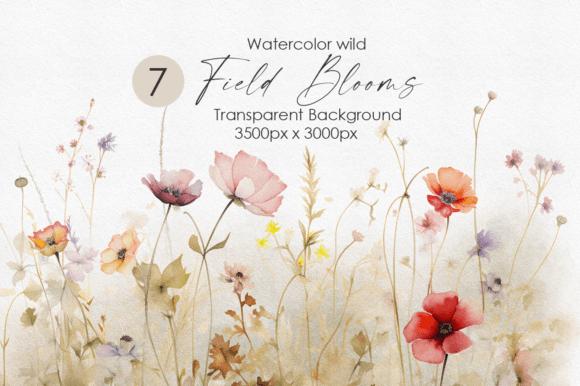
As a digital publisher and blog designer, my first interaction with any new graphic design asset is purely functional. Before I appreciate the artistry, I need to know if it solves a layout problem. When I first opened the Watercolor Wild Flowers Collection, my immediate assessment was that this set bridges the gap between organic artistic expression and structured editorial design. The mood is distinctly botanical yet restrained enough for professional publishing. It avoids the chaotic clutter often found in floral assets, offering instead a sense of curated calm. This collection feels inherently lifestyle-focused and feminine without being juvenile, making it an ideal candidate for wellness blogs, sustainable living publications, creative education platforms, and artisan e-commerce sites. For publishers, this specific visual tone signals authenticity and care, two metrics that directly influence reader trust and time-on-page.
Elevating Featured Images and Pinterest Strategy
In a real publishing workflow, the most frequent use case for these illustrations will be featured images and social media promotion. The Watercolor Wild Flowers Collection excels here because of its compositional balance. Unlike generic stock photos, these elements provide negative space that is essential for overlaying headlines. When designing a Pinterest pin, vertical real estate is precious; these florals frame text naturally rather than competing with it. I have tested similar assets where the flowers were too dense, forcing designers to add opaque overlays that killed the aesthetic. Here, the transparency and spacing allow for direct text placement while maintaining high readability.
For blog graphics and article headers, this asset supports a stronger visual hierarchy. The eye is drawn to the color and movement of the watercolor, which can then be directed toward your headline or call-to-action. In content marketing, this directional flow increases click-through potential. Furthermore, using consistent botanical elements across your social media graphics creates immediate brand recognition in crowded feeds. When a subscriber sees your newsletter or Instagram post, the recurring wild flower motif acts as a visual anchor, reinforcing your brand identity before they even read a single word.
Application in Digital Products and Lead Magnets
Beyond standard blog posts, modern publishers rely on diversified revenue streams like affiliate marketing and digital products. The Watercolor Wild Flowers Collection transitions seamlessly into these formats. If you are creating a lead magnet such as a checklist, workbook, or mini-guide, these illustrations soften the utilitarian nature of the document. A plain PDF feels transactional; a PDF adorned with delicate wildflowers feels like a gift. This perceived value is crucial for conversion rates.
I specifically recommend this collection for:
- Digital Guide Covers: The organic texture suggests growth and natural learning, perfect for educational content.
- Printable Design: These assets maintain integrity when printed at home, unlike complex gradients that can band on consumer printers.
- Canva Template Creation: If you sell templates as a digital download, these versatile elements appeal to a broad demographic of female entrepreneurs and creatives.
- Newsletter Headers: They set a welcoming tone for email subscribers, reducing unsubscribe friction by making the email feel personal rather than corporate.
- Media Kits: Advertisers respond to polished aesthetics; these illustrations signal that your platform values quality presentation.
When used in affiliate marketing content, particularly for beauty, gardening, or eco-friendly products, these visuals create thematic congruence. The reader’s brain connects the natural aesthetic of the site with the natural benefits of the product, subtly supporting the sales narrative through creative design.
Where Visual Restraint is Necessary
An experienced designer knows that not every asset belongs in every context. While the Watercolor Wild Flowers Collection is versatile, it requires strategic placement. It works best as a hero image accent, a category thumbnail, or a decorative border. However, publishers should exercise caution when using it in small mobile thumbnails. Watercolor details can turn into muddy blobs at 150 pixels wide. Always preview how the asset renders on actual devices, not just high-resolution desktop monitors.
Additionally, avoid pairing these illustrations with low-contrast backgrounds or busy patterns. The strength of this collection lies in its softness; placing it against a dark or chaotic background negates its elegance. For serious corporate niches, financial advice, or tech-heavy content, this style may undermine authority unless heavily stylized to appear more abstract. It is also vital to consider accessibility. Ensure that when you place text over these design assets, the contrast ratio meets WCAG standards. The varying opacity of watercolor can sometimes trick automated contrast checkers, so manual testing is required for web design compliance.
Technical Publisher Notes for Web Performance
Before integrating this collection into your live site, run through a technical audit. Beautiful modern design should never come at the cost of site speed. Watercolor files can be deceptively large due to the complexity of the brush strokes and color variations. You must compress these images properly for web use without destroying the subtle edge details that make them valuable. Tools like TinyPNG or ShortPixel are essential here. Test the file size impact on your Core Web Vitals, especially Largest Contentful Paint (LCP) if using them as above-the-fold hero images.
Typography pairing is another critical consideration. I tested the Watercolor Wild Flowers Collection against various font families to determine optimal pairings:
- Serif Fonts: Creates a classic, editorial magazine look. Ideal for long-form essays and storytelling.
- Sans Serif Fonts: Provides a clean, contemporary contrast. Best for instructional content and small business branding.
- Script Fonts: Use sparingly. Only pair with these illustrations for short accents or signatures, as both share organic curves that can clash if overused.
- Display Fonts: Works well for bold statements in headers, provided the weight of the type balances the delicacy of the flowers.
Finally, verify the commercial license before deployment. As publishers, we often monetize through ads, affiliates, or paid products. Ensure your license covers commercial design usage for all intended applications. Some creative marketplace licenses restrict use in end-products for resale or limit the number of impressions. Confirming this upfront protects your business from legal issues later. When sourced and implemented correctly, the Watercolor Wild Flowers Collection is more than just decoration; it is a strategic tool for building a cohesive, trustworthy, and visually compelling digital publication.