Watercolor Teddy Bear Illustrations for Branding
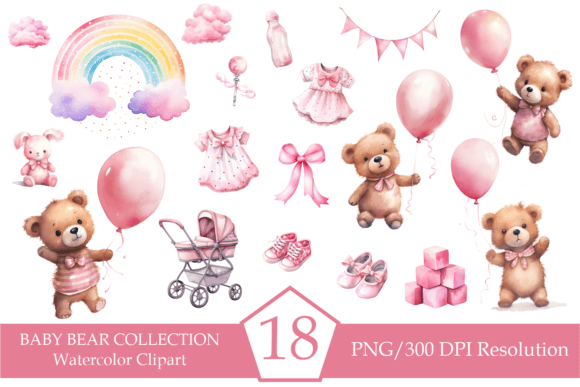
As a brand designer reviewing assets for an upcoming nursery lifestyle campaign, my first impression of the Watercolor Teddy Bear, Pink Baby Bear illustration was one of immediate warmth and nostalgic comfort. In the realm of creative design, achieving genuine softness without sacrificing professional polish is difficult, yet this graphic design asset strikes that balance effectively. The muted pink tones and fluid watercolor texture evoke a sense of safety and gentleness, making it instantly suitable for brands targeting new parents, baby shower planners, or children’s book publishers. It does not feel like generic clipart; rather, it possesses the organic imperfections of hand-painted art, which helps establish audience trust and emotional connection right from the first glance.
Elevating Nursery Product Launches and Packaging
In our current project for a boutique baby clothing line, we needed a visual anchor for both digital ads and physical unboxing experiences. The Watercolor Teddy Bear, Pink Baby Bear serves as an exceptional focal point for packaging design and product labels. When applied to tissue paper patterns or thank-you cards included in shipments, this illustration transforms a standard transaction into a memorable brand moment. For small business branding, these tactile details are what differentiate handmade or premium goods from mass-market competitors.
We also tested this asset on product tags and hangtags. Because the watercolor edges are soft but defined, the bear remains legible even at smaller sizes, provided there is adequate white space. This versatility makes it a valuable component of a broader design bundle for entrepreneurs who need consistent visuals across multiple touchpoints. Whether used as a primary mascot on a product label or as a subtle watermark on shipping boxes, the pink bear reinforces a cohesive identity that feels intentional and curated.
Performance Across Social Media and Digital Ads
For content marketers and social media managers, the challenge is often stopping the scroll without appearing aggressive. This illustration performs remarkably well in social media graphics because it offers a visual pause. In our testing for Instagram carousel covers and Pinterest pins, the Watercolor Teddy Bear, Pink Baby Bear acted as a soft entry point for educational content about infant sleep or nursery decor. Unlike bold, high-contrast vector art that can sometimes feel commercial or cold, this watercolor style invites engagement through empathy.
When designing digital ads for Facebook or Instagram, we found that pairing this bear with ample negative space improved click-through rates for awareness campaigns. The asset supports visual hierarchy by drawing the eye to the center or corner of the composition, allowing headline text to breathe. For Canva template creators, this graphic is a high-value addition because it appeals to users looking for ready-made, aesthetically pleasing elements that require minimal editing to look professional. It bridges the gap between DIY design and agency-level polish.
Strategic Applications in Editorial and Web Design
Beyond social media, this asset has significant utility in editorial design and web design. For bloggers and online coaches in the parenting niche, the Watercolor Teddy Bear, Pink Baby Bear works beautifully as a header image or a recurring motif in blog post sidebars. It adds personality to long-form content without distracting from the readability of the text. In email marketing, using this illustration in banners or signature blocks can soften the tone of promotional newsletters, making sales pitches feel more like friendly recommendations.
For digital sellers and creative entrepreneurs, incorporating this PNG design into lead magnets, such as printable checklists or nursery planning guides, enhances the perceived value of the freebie. A well-designed printable design resource reflects positively on the creator’s expertise. Furthermore, if you are building a content marketing strategy around seasonal events like baby showers or Valentine’s Day, this pink bear provides a thematic anchor that can be adapted across various formats, from web banners to downloadable wallpapers.
Where to Exercise Caution in Professional Branding
While versatile, the Watercolor Teddy Bear, Pink Baby Bear is not a universal solution. As a reviewer focused on professional branding, I advise against using this asset in formal corporate environments, fintech, or B2B sectors where authority and precision take precedence over emotion. The inherent playfulness of the teddy bear could undermine messages requiring seriousness or technical trust. Additionally, designers must be mindful of contrast. Watercolor textures can sometimes lose definition against busy backgrounds or dark modes. Always ensure the background color allows the pink hues to remain distinct and vibrant.
Another consideration is scale in dense information layouts. If you are designing a complex infographic or a text-heavy ad, this detailed clipart may compete with essential data points. In such cases, it is better to use the bear as a decorative border element or save it for hero sections where it has room to shine. Overusing cute imagery can also dilute its impact; reserve the Watercolor Teddy Bear, Pink Baby Bear for key moments of emotional resonance rather than filling every available pixel.
Designer Notes: Testing and Integration Workflow
Before integrating this graphic design asset into a live campaign, I recommend a rigorous testing protocol to ensure it aligns with your specific brand identity. First, test the illustration against your existing color palette. While the pink is versatile, verify that it doesn't clash with your primary brand colors or create accessibility issues for visually impaired audiences. Check how the asset renders in black and white; a strong modern design should retain its charm and recognizability even without color, which is crucial for newspaper print or receipt paper.
- Typography Pairing: Test the bear alongside your chosen fonts. It pairs exceptionally well with rounded sans-serifs and delicate scripts but may look disjointed next to rigid, industrial typefaces. Ensure the font weight balances the visual weight of the watercolor strokes.
- Mockup Validation: Never judge the asset in isolation. Place it inside real campaign mockups, including mobile screens, tote bags, and website headers. Previewing in context reveals spacing issues that aren't visible on a blank canvas.
- Licensing Compliance: Always confirm the commercial license terms before using the asset in paid ads, client work, or merchandise for sale. Understanding usage rights protects your business from legal complications and ensures ethical support for the original artist.
- Competitor Analysis: Compare your usage against competitor visuals. If everyone in your niche uses similar teddy bears, consider altering the opacity, cropping, or color grading of this asset to maintain a unique brand identity.
Finally, consider the file format requirements for your workflow. While a high-resolution PNG is ideal for marketing visuals and print, having an SVG design version would be beneficial for scalable web applications and responsive logo design variations. If the Watercolor Teddy Bear, Pink Baby Bear is part of a larger creative marketplace purchase, explore other items in the collection to build a comprehensive visual system. Consistency across assets is what ultimately builds audience trust and recognition.
Ultimately, the Watercolor Teddy Bear, Pink Baby Bear is more than just a cute picture; it is a strategic tool for communicating care, quality, and approachability. For brand owners, marketers, and creators in the lifestyle and family sectors, this illustration offers a reliable foundation for building emotional connections. By applying thoughtful design principles and respecting its stylistic boundaries, you can leverage this asset to create campaigns that are not only visually appealing but also commercially effective and deeply resonant with your target audience.