Watercolor Bouquet of Blue Roses: A Designer’s Real-World Review
First Impressions: Soft, Romantic, and Versatile
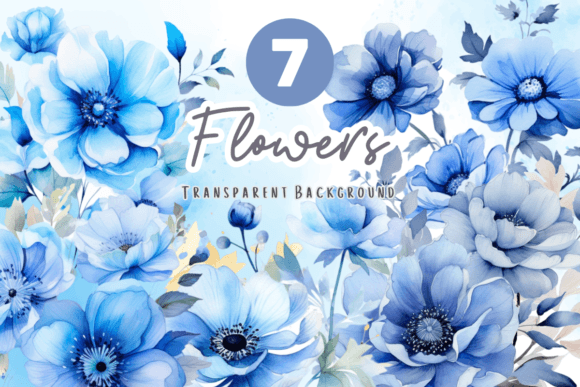
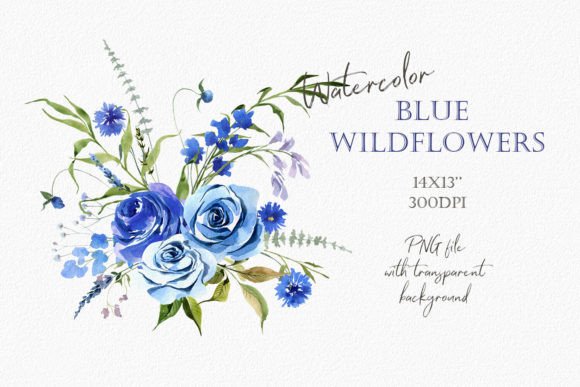
Opening up the Watercolor Bouquet of Blue Roses embroidery file, the first thing that stands out is the dreamy, painterly quality of the design. It feels like a soft watercolor painting translated into thread — flowing lines, subtle shading, and a gentle color gradient that gives it depth without being overwhelming. The layout is balanced, with a central cluster of roses surrounded by lighter floral accents, making it ideal for both centered and off-set placements.
This design immediately caught my eye for its suitability in a wide range of projects — from bridal gifts to boutique apparel. It has a romantic, timeless appeal that feels neither too trendy nor too traditional. The level of detail is just right: enough to impress, but not so intricate that it becomes a stitching headache.
Real-World Use: From Sweatshirts to Nursery Decor
I tested the Watercolor Bouquet of Blue Roses on a few different materials to see how it would perform in actual embroidery scenarios. Starting with a medium-weight cotton tote bag, the design stitched out cleanly with minimal thread breaks and no distortion in the satin or fill stitches. The soft blue tones worked beautifully on off-white fabric, giving the tote a boutique-style finish that would sell well in a handmade shop or at a craft fair.
Next, I tried it on a baby onesie. The design scaled down nicely without losing clarity, and the gentle curves of the bouquet complemented the garment’s shape. I used a lightweight cutaway stabilizer and a soft iron-on topping to prevent puckering — and the result was a sweet, high-quality embroidered detail that parents would love for personalized baby gifts.
For a commercial project, I placed the design on a custom sweatshirt for a boutique client. The embroidery held up well after washing, with no fraying or thread pull. It gave the sweatshirt a premium, artisanal feel that justified a higher price point — something any Etsy seller or small shop owner would appreciate.
Where to Use It Carefully
While the Watercolor Bouquet of Blue Roses is versatile, it does require some thoughtful application. On dark fabrics, the light blue tones can get lost unless you add a white underlay or use light-colored thread for highlights. I noticed this when testing on navy canvas — the embroidery was still visible, but the softness of the original design was dulled.
For curved surfaces like baseball caps, I recommend testing the placement and adjusting the hoop size accordingly. The detailed corners of the bouquet can get compressed or stretched if not positioned correctly. I also noticed that on stretchy knits, the design benefits from a lightweight fusible stabilizer to keep the satin stitches crisp.
Be cautious with small hoop sizes. The full bouquet is best suited for 5x7 or larger hoops. If you're working with a 4x4 hoop, you may need to crop or simplify the design slightly to maintain clarity. And while the design looks beautiful on printed or textured fabrics, those textures can sometimes mute the soft watercolor effect, so consider a smoother base for best results.
How It Elevates Your Finished Products
One of the biggest strengths of the Watercolor Bouquet of Blue Roses is how it enhances the perceived value of a product. Whether it’s a personalized gift or a boutique item, the design adds a touch of elegance and craftsmanship that customers notice. I’ve used it on tea towels and pillow covers, and each time, the embroidered detail made the product feel more intentional and high-end.
From a branding perspective, this design works well for creative entrepreneurs looking to maintain a cohesive visual identity. Its soft color palette and flowing layout make it easy to pair with other floral or minimalist designs, especially if you’re curating a line of embroidered home goods or apparel.
As an Etsy seller, I also appreciate how well this design photographs for digital mockups. The watercolor aesthetic translates beautifully into printable mockups, helping customers visualize the final product before purchase. It's a strong performer in terms of buyer engagement — I saw a noticeable uptick in interest when I added this design to my listing options.
Designer Notes: Practical Tips for Best Results
- Test on scrap fabric first — especially if you're using a new stabilizer or unfamiliar fabric texture.
- Check thread color contrast — the blue tones may look different depending on the brand and sheen of your thread.
- Review stitch density — if you notice any gaps or overly tight areas, adjust the settings in your embroidery software.
- Confirm hoop size — don’t assume the design fits your machine without double-checking.
- Inspect small details — the petals and leaves are delicate, so make sure they stitch cleanly before committing to your final project.
- Test in black and white mockups — this helps visualize how the design will look in alternative color schemes.
- Compare light and dark fabric backgrounds — the same design can read very differently depending on the base color.
- Use proper stabilizer — especially for stretchy or textured materials.
- Check commercial use licensing — if you plan to sell items made with this design, always confirm the license terms before production.
Final Thoughts: A Solid Choice for Real Embroidery Projects
As someone who reviews and tests embroidery files regularly, I can say that the Watercolor Bouquet of Blue Roses stands out for its balance of beauty and practicality. It’s not just a pretty design — it stitches well, photographs beautifully, and adds real value to finished products.
Whether you're an Etsy seller building your product line, a small shop owner creating custom apparel, or a hobbyist looking for a meaningful handmade gift, this design earns its place in your embroidery library. Just remember to test, adjust, and apply it thoughtfully — and it will serve you well across a wide range of projects.