Watercolor Blue White Reading Illustrations for Blogs
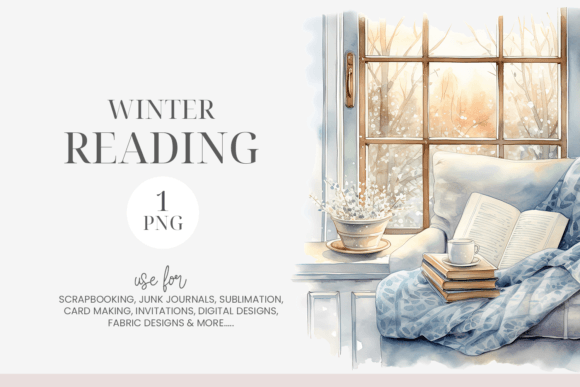
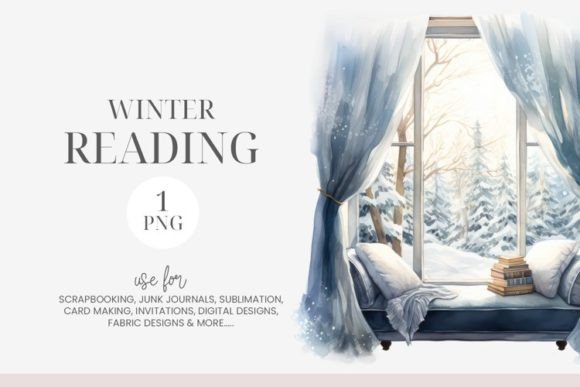
As a digital publisher and blog designer, I evaluate every graphic design asset through the lens of reader retention and brand authority. When I first opened the Watercolor Blue White Reading Clipart files, my immediate assessment focused on editorial mood and versatility. This collection does not scream for attention; instead, it whispers competence and calm. The soft interplay between cool blues and clean whites establishes a serene, intellectual atmosphere that is increasingly rare in a digital landscape often cluttered with neon gradients and aggressive typography. For content creators, this specific color psychology signals trust, focus, and literacy.
This asset naturally supports niches centered around education, literature, self-improvement, and cozy lifestyle content. It feels distinctly feminine yet professional, avoiding the overly juvenile aesthetic that sometimes plagues reading-themed graphics. From an editorial design perspective, these illustrations bridge the gap between artistic expression and functional web design. They are polished enough for a high-end book review site but accessible enough for a personal study blog or an online educator’s course landing page. The watercolor texture adds a tactile, human element to digital screens, which is essential for building reader connection in text-heavy environments.
Deploying Visuals Across the Content Ecosystem
In a real publishing workflow, consistency is the metric that separates amateur blogs from established media brands. I tested the Watercolor Blue White Reading Clipart across multiple touchpoints to see if it could maintain visual coherence. As blog graphics, these elements serve as excellent visual anchors. When placed beside a long-form article, they break up dense text without disrupting the reading flow. Unlike stock photos that can feel generic, these custom illustrations reinforce the specific theme of literacy and learning.
For Pinterest marketing, this asset is a powerhouse. Pinterest users respond to vertical imagery that promises value and aesthetic pleasure. I found that using these clipart elements as background textures or focal points in a Canva template resulted in pins that felt organic rather than salesy. The blue and white palette provides sufficient negative space for overlaying headlines, ensuring your text remains legible against the watercolor washes. This is critical for click-through potential; if the user cannot read the promise instantly, the pin fails.
Beyond social media, consider the application in digital products. If you are creating a lead magnet, such as a reading tracker or a digital guide, these illustrations elevate the perceived value of the freebie. A printable design featuring these soft watercolors looks like a premium resource rather than a hastily assembled Word document. Similarly, for newsletter creators, placing a subtle reading illustration in the header or as a section divider can increase engagement by making the email feel like a curated letter rather than a marketing blast. For affiliate marketers promoting books or e-readers, these visuals provide a non-intrusive way to contextualize product recommendations within a lifestyle narrative.
Enhancing Reader Trust Through Editorial Quality
Visual hierarchy is not just about size and placement; it is about emotional resonance. The Watercolor Blue White Reading Clipart supports content performance by reducing cognitive load. In web design, we know that readers scan before they read. Soft, familiar imagery acts as a visual cue that the content is safe, thoughtful, and worth their time. This directly impacts bounce rates and dwell time. When a visitor lands on a post and sees cohesive, high-quality illustrations, their subconscious assessment of your expertise improves.
Furthermore, these assets aid in category recognition. If you use specific elements from this set for your "Book Reviews" category and different ones for "Study Tips," regular readers will begin to navigate your site intuitively based on visual cues alone. This strengthens your brand identity and creates a more seamless user experience. For small business branding, particularly for tutors, librarians, or literary coaches, this level of visual consistency signals professionalism. It shows you have invested in your presentation, which translates to trust in your services or recommendations.
Strategic Placement and Contextual Awareness
While versatile, this graphic design asset requires strategic deployment to be effective. It shines brightest in hero images, article thumbnails, and editorial accents where there is ample breathing room. The watercolor medium relies on transparency and edge variation, both of which get lost if the image is cramped. I recommend using these illustrations in website headers where they can span horizontally, setting the tone for the entire page. They also work beautifully as decorative borders for pull quotes or testimonial sections, adding a layer of sophistication to standard layout blocks.
However, publishers must exercise caution in certain contexts. Avoid using these detailed watercolors as tiny mobile thumbnails; the intricate brushwork will muddy at low resolutions, appearing as a blurry smudge rather than art. Similarly, be wary of placing them on busy backgrounds or alongside low-contrast text. The soft edges of watercolor do not provide a hard boundary for text wrapping, so always ensure adequate padding. Additionally, while the blue and white palette is generally safe, it may not align with corporate legal sites, tech startups, or urgent news platforms where a starker, more minimalist visual system is required. Always match the asset to the emotional intent of the content.
Publisher Notes: Technical and Licensing Due Diligence
Before integrating the Watercolor Blue White Reading Clipart into your live site or commercial projects, run through this practical checklist to ensure optimal performance and compliance:
- Test Across Devices: Preview the illustrations on both desktop monitors and mobile screens. Watercolor colors can shift depending on screen calibration; ensure the blues remain distinct and do not blend into grays on lower-quality displays.
- Typography Pairing: Test the clipart against your site’s font stack. These organic shapes pair exceptionally well with classic serif fonts for an academic look or clean sans-serif fonts for modern readability. Avoid highly decorative script fonts that might compete with the hand-painted texture.
- Contrast Checks: If using the clipart behind text, apply a solid white or dark blue overlay to guarantee WCAG accessibility standards. Never sacrifice readability for decoration.
- File Optimization: Watercolor files can be large due to complex color data. Compress images properly using WebP format to maintain quality while improving page load speed. Slow sites kill engagement regardless of how beautiful the design is.
- Licensing Verification: Before using these on monetized websites, affiliate pages, or paid digital downloads, confirm the commercial license terms. Ensure you are permitted to use the asset in templates for resale or in client work if applicable. Respecting intellectual property is foundational to ethical publishing.
- Grayscale Testing: View the assets in black and white. If the illustration loses its definition without color, it may not be suitable for print materials or e-reader devices that lack full-color displays.
Ultimately, the Watercolor Blue White Reading Clipart is more than just decoration; it is a strategic tool for content marketing. When used with intention, it transforms standard blog posts into immersive editorial experiences. Whether you are designing a Pinterest pin, crafting a lead magnet, or refining your website header, these illustrations offer the perfect balance of artistic warmth and professional polish. By treating this asset as a core component of your visual strategy rather than an afterthought, you enhance not only the aesthetics of your platform but the overall credibility of your digital presence.