Cute Watercolor Toucan with Hot Cocoa Illustrations
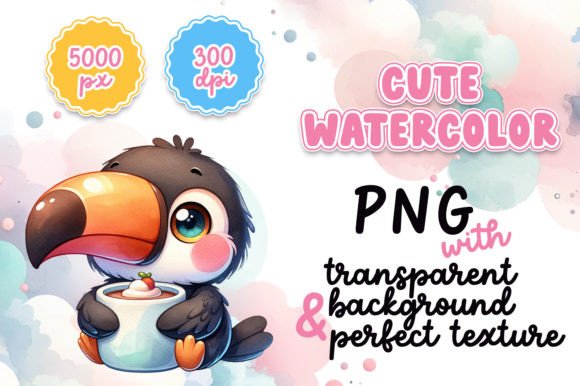
As a blog designer and digital publisher, my first impression of the Cute Watercolor Toucan with Hot Cocoa asset was one of immediate warmth and approachability. In the world of editorial design, finding illustrations that balance whimsy with professional polish is a constant challenge. This graphic design asset succeeds because it avoids looking overly juvenile while still delivering that essential cozy aesthetic. The watercolor texture provides an organic softness that raster graphics often lack, making it feel handcrafted rather than manufactured. For content creators in lifestyle, parenting, seasonal cooking, or creative education niches, this illustration signals to the reader that the content within is personal, comforting, and curated. It establishes a mood of relaxation and joy before a single word of the article is read, which is critical for reducing bounce rates on lifestyle blogs.
Editorial Applications Across Content Formats
In a real publishing workflow, versatility is the metric by which I judge any digital download. The Cute Watercolor Toucan with Hot Cocoa is not merely a decorative afterthought; it functions as a core component of visual hierarchy across multiple platforms. When designing a website header for a winter series or a cozy reading list, this illustration serves as an excellent focal point that anchors the layout without competing with navigation elements. Its composition allows for negative space, which is vital for overlaying headline text or placing beside article titles.
For Pinterest marketing, this asset is particularly strong. Pinterest pins require vertical visuals that stop the scroll, and the vibrant yet soft color palette of the toucan contrasts beautifully against standard white or cream pin backgrounds. I can easily envision this as the central element in a Canva template designed for "5 Cozy Winter Activities" or "Best Hot Chocolate Recipes." Because the style is distinct, it aids in brand identity recognition. When followers see this specific artistic style in their feed, they begin to associate it with your specific voice and content quality.
Beyond social media graphics, this illustration shines in digital product creation. If you are developing a lead magnet, such as a holiday planning checklist or a self-care journal, this toucan adds perceived value to the printable design. It transforms a plain PDF into a desirable resource. Similarly, for online educators creating course thumbnails or worksheet headers, the friendly nature of the character reduces the intimidation factor of learning materials, making the educational content feel more accessible and engaging.
Enhancing Reader Trust and Click-Through Rates
Visual communication is directly tied to content performance. A polished, relevant graphic like the Cute Watercolor Toucan with Hot Cocoa does more than decorate; it validates the content. In affiliate marketing, where trust is the currency of conversion, generic stock photography can sometimes signal low-effort content. Custom-feeling illustrations suggest that the publisher has invested time and care into the user experience. This subtle psychological cue can improve reader trust and, by extension, click-through potential on affiliate links embedded within the post.
Furthermore, consistent use of themed illustrations helps with category recognition. If your blog covers multiple topics, using this specific art style for all "Winter Lifestyle" or "Cozy Home" posts creates a visual thread. Readers scanning your homepage or archive pages can instantly identify relevant content based on the visual cue alone. This strengthens your overall visual identity and makes the site navigation feel more intuitive. For newsletter creators, using this asset in email headers can increase open rates and engagement by promising a warm, visually pleasing reading experience inside the inbox.
Strategic Placement and Visual Hierarchy
Knowing where to place a graphic is just as important as the graphic itself. The Cute Watercolor Toucan with Hot Cocoa works best in areas where emotional connection is the primary goal. Hero images at the top of blog posts are ideal, as they set the tone immediately. It also performs exceptionally well as an editorial accent between long sections of text to break up readability fatigue. For digital guides and eBooks, this illustration makes for a charming cover or chapter divider that reinforces the thematic consistency of the publication.
Social media previews and Open Graph tags are another high-value placement area. When your link is shared on Facebook or LinkedIn, this image will represent your content. Its clear subject matter and distinct colors ensure it remains recognizable even when scaled down to thumbnail size. Additionally, for small business branding involving physical products like mugs, greeting cards, or stickers, this design offers a ready-made aesthetic that appeals to customers seeking artisanal vibes.
Navigating Design Constraints and Context
Despite its charm, this asset requires careful implementation to maintain professional standards. It should be used cautiously in highly corporate or serious professional niches where playfulness might undermine authority. For example, a financial advisory blog or a legal tech website would likely find this tone mismatched. Additionally, designers must be mindful of contrast. Watercolors can sometimes have low saturation at the edges; if placed on a white background without proper definition, the image may disappear on lower-quality mobile screens.
Avoid using this illustration in text-heavy layouts where the intricate details of the watercolor brushwork might clash with dense typography. It needs breathing room to be effective. In busy sidebar widgets or footer areas cluttered with ads and links, the subtlety of the art will be lost. Instead, reserve it for primary content zones where it can serve as a deliberate visual pause. Also, consider the seasonal limitation; while perfect for Q4 and Q1 content, it may feel out of place in summer publishing schedules unless framed specifically as a nostalgic or retro piece.
Publisher Workflow and Technical Best Practices
Before integrating the Cute Watercolor Toucan with Hot Cocoa into a live site, I recommend a rigorous testing protocol. Always preview the graphic on both desktop and mobile devices. Check how it renders as a thumbnail in your blog’s grid layout; ensure the toucan’s face and the cocoa mug remain distinct and aren't cropped awkwardly. Test the image alongside your brand’s typography. Place it next to serif fonts for a classic editorial look, sans-serif for modern clarity, and script fonts for a feminine touch. Verify that the text remains legible and that the illustration supports rather than distracts from the headline.
Web performance is non-negotiable. Watercolor files can be large due to complex color gradients. Always compress images properly using modern formats like WebP to maintain quality while reducing load times. Slow-loading featured images hurt SEO and user retention. Finally, and most importantly, confirm the commercial license before use. If you are running a monetized blog, selling digital products, or using the image in paid ads, you must ensure your licensing tier covers commercial design usage. Respecting intellectual property protects your business and supports the creative marketplace ecosystem. By following these practical steps, this illustration becomes a powerful asset in your content marketing toolkit, elevating your editorial design from functional to memorable.