Cute Watercolor Fruits Clipart for Brand Illustrations
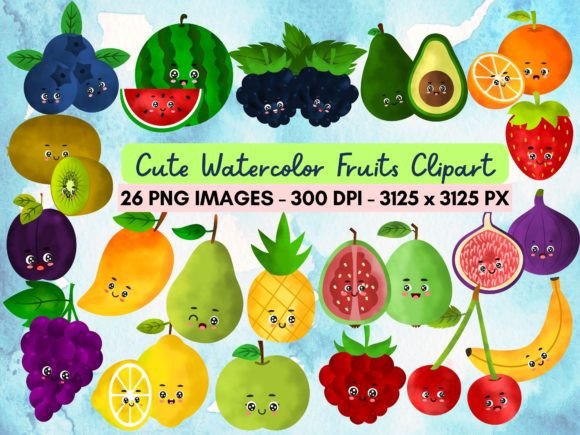
As a brand designer reviewing assets for an upcoming summer campaign for a boutique skincare line, my first impression of the Cute Watercolor Fruits Clipart collection was one of immediate warmth and approachability. In the realm of commercial design, finding illustrations that balance whimsy with professional polish is often a challenge. This graphic design asset immediately establishes a mood that is organic, fresh, and inherently trustworthy. For small business branding, particularly in the wellness, food, or lifestyle sectors, this emotional tone is critical. It does not scream "corporate" or "sterile"; instead, it whispers "handmade," "natural," and "carefully curated." When evaluating creative design resources, I look for assets that reduce cognitive load for the audience while increasing emotional engagement. These watercolor fruits achieve that by leveraging soft edges and translucent textures that feel human rather than digitally manufactured.
Elevating Seasonal Campaigns and Product Launches
In our real-world case study, we are preparing a content kit for a new citrus-infused moisturizer launch. The marketing visuals need to communicate hydration and natural ingredients without relying solely on product photography. Here is where this clipart shines as a strategic tool. We utilized these illustrations to create a cohesive visual hierarchy across multiple touchpoints. For the Instagram posts and Pinterest pins, the fruit elements served as secondary focal points that guided the eye toward the headline and call-to-action without competing for attention. Unlike rigid vector art, the fluid nature of these watercolor illustrations adds a layer of texture that makes digital ads feel more like editorial content and less like intrusive advertising.
For packaging design and product labels, this asset proved versatile. We tested the clipart on matte paper stock mockups, and the subtle grain of the watercolor translated beautifully, reinforcing the premium yet accessible positioning of the brand. This is essential for audience trust; consumers associate hand-painted aesthetics with artisanal quality and transparency. Furthermore, when designing email banners and website headers, the transparent PNG design files allowed us to layer the fruits behind typography seamlessly. This integration supports content marketing goals by making promotional materials visually rich without requiring expensive custom illustration commissions for every single campaign variation.
Strategic Applications Across Digital and Print Media
The utility of Cute Watercolor Fruits Clipart extends far beyond simple decoration. As a digital product within a broader design bundle, it serves specific functional roles in modern design workflows:
- Social Media Graphics: Perfect for creating recurring series templates in Canva. The consistent style ensures that Stories, Reels covers, and feed posts maintain brand identity recognition even when the background colors change.
- Editorial Design and Blog Headers: Breaks up dense text in long-form articles about nutrition or skincare routines, improving readability and dwell time through visual relief.
- Printable Design and Stationery: Ideal for thank-you cards, packaging inserts, and stickers included in e-commerce orders, enhancing the unboxing experience and encouraging user-generated content.
- Lead Magnets and Media Kits: Adds personality to PDF downloads and pitch decks, making dry information feel more engaging and aligned with a creative entrepreneur’s personal brand.
- Merchandise and Apparel: Translates well to tote bags and t-shirts for brand ambassadors, provided the resolution is sufficient for the print method chosen.
Each application reinforces the brand's narrative. Whether used in Facebook ads to stop the scroll or in a media kit to impress potential partners, the asset functions as a visual shorthand for freshness and authenticity.
Optimizing Visual Hierarchy and Audience Connection
A common pitfall in using decorative clipart is allowing it to overwhelm the core message. However, Cute Watercolor Fruits Clipart supports stronger visual hierarchy because of its inherent softness. In our testing, we found that these illustrations work best as framing devices or corner accents rather than central backgrounds. They create negative space naturally, allowing headlines and product shots to breathe. This balance is vital for professional branding; you want the asset to support the sale, not distract from it.
From an audience perception standpoint, watercolor triggers associations with nostalgia, health, and femininity. If your target demographic values sustainability and gentle aesthetics, this illustration style bridges the gap between brand and consumer faster than minimalist geometry might. It fosters an emotional connection that leads to better engagement rates. For online coaches and product creators selling courses or physical goods, this warmth can be the difference between a cold transaction and a loyal community relationship. The asset helps transform generic marketing visuals into something that feels bespoke and intentional.
Navigating Limitations and Contextual Fit
Despite its versatility, this graphic design asset requires careful placement. It is not universally appropriate. During our review, we identified several contexts where Cute Watercolor Fruits Clipart should be used with caution or avoided entirely:
- Formal Corporate Branding: Law firms, financial institutions, or tech security companies may find the playful aesthetic undermines their authority and seriousness.
- Dense Information Layouts: In technical manuals or data-heavy infographics, the organic shapes can clash with grid-based layouts and make precise alignment difficult.
- Low-Contrast Backgrounds: Because watercolors rely on transparency and light washes, placing them on dark or busy photographic backgrounds can cause them to disappear or look muddy.
- Small Mobile Graphics: Intricate details may be lost at favicon sizes or tiny app icons; these illustrations need room to display their texture.
- Overly Minimalist Brands: If a brand identity relies strictly on stark whitespace and bold sans-serif type, introducing soft watercolor may create visual dissonance unless used very sparingly as a deliberate contrast element.
Understanding these boundaries ensures that the asset enhances rather than detracts from the overall communication strategy. It is about knowing when to use the tool, not just how to use it.
Essential Designer Notes for Commercial Implementation
Before integrating Cute Watercolor Fruits Clipart into paid campaigns or client deliverables, I recommend a rigorous pre-flight checklist. First, always test the asset against your specific brand color palette. While watercolors are forgiving, clashing undertones (e.g., cool blue-greens vs. warm yellow-greens) can look amateurish. Adjust opacity or apply subtle color overlays if necessary to ensure harmony. Second, verify the commercial license terms. If you are using this in a design bundle for resale or in high-volume digital ads, confirm that your usage rights cover those specific activities to avoid legal complications.
Typography pairing is another critical consideration. These illustrations pair exceptionally well with elegant serif fonts for a premium look or handwritten scripts for a personal touch. However, they can also create a striking modern design contrast when paired with bold, geometric sans-serif display fonts. Always preview your compositions on mobile screens; what looks balanced on a 27-inch monitor may feel cluttered on a phone. Finally, check the file formats. Ensure you have high-resolution PNG designs for print and optimized versions for web to maintain fast load times. By treating this clipart as a professional component of your visual system rather than mere decoration, you unlock its full potential to drive brand recognition and campaign success.