Black Girl Flower Watercolor Clipart: Illustrations Review
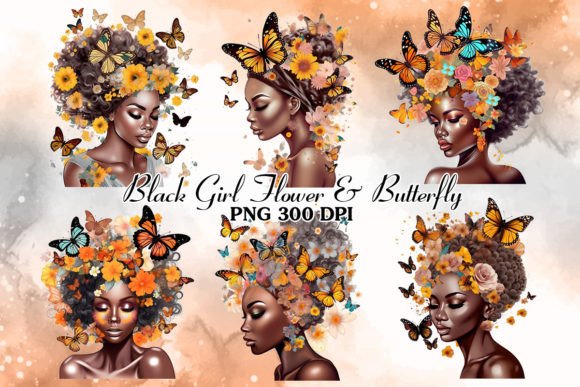
When evaluating a new graphic design asset for a client project, my first question is always about emotional resonance. Technical specs matter, but if an illustration does not evoke the right feeling within three seconds, it will not convert. Upon reviewing the Black Girl Flower Watercolor Clipart collection, the immediate impression is one of organic warmth and celebratory identity. This is not merely a set of floral elements; it is a cohesive narrative tool. The watercolor texture feels hand-painted rather than digitally generated, offering a softness that balances beautifully with the confident representation of Black femininity. For a designer working in the creative marketplace, this specific blend of botanical art and cultural representation signals authenticity, making it a strong contender for brands that prioritize inclusivity without sacrificing aesthetic sophistication.
Elevating Brand Identity for Handmade and Boutique Businesses
I recently consulted on a visual rebrand for a natural hair care line targeting Gen Z and Millennial women. The client needed marketing visuals that felt luxurious yet accessible, moving away from sterile corporate aesthetics toward something more personal. In this context, these illustrations serve as far more than decoration; they act as brand anchors. When integrated into packaging design or product labels, the watercolor florals provide a textured backdrop that allows typography to breathe, while the figure illustrations establish immediate audience connection.
For small business branding, particularly within the beauty, wellness, and lifestyle sectors, this clipart collection solves a common hierarchy problem. It provides a focal point that communicates values instantly. Unlike generic stock vectors, the specific artistic style here suggests craftsmanship. If you are designing a logo lockup or a brand board, these assets work exceptionally well as secondary graphics or pattern elements. They support the primary logo without competing for attention, creating a unified visual language across touchpoints from business cards to website hero banners.
Performance Across Print-on-Demand and Digital Products
Versatility is the metric by which I judge any digital product intended for commercial use. In testing these assets for potential print-on-demand applications, the resolution and edge quality stood out. For t-shirt design and tote bags, the watercolor edges retain their softness even when scaled up, avoiding the jagged pixelation that often plagues lower-quality raster files. This makes them ideal for sublimation design where color fidelity and gradient smoothness are paramount.
On the digital side, content creators and Etsy sellers will find significant value here. When building Canva templates for Instagram posts or Pinterest pins, these illustrations add necessary negative space and visual interest. They prevent text-heavy designs from feeling dense. For Cricut projects and sticker design, however, users should verify the cut lines. While the PNG design files are excellent for printing, intricate watercolor details sometimes require manual cleanup for vinyl cutting. As a printable design resource for wall art or planner stickers, the mood is consistently uplifting, making it perfect for journals, greeting cards, and educational materials centered on diversity and self-love.
Strategic Placement: Where the Art Shines and Where to Pause
Understanding where to deploy a graphic design asset is just as important as selecting it. These illustrations thrive in large layout areas where the brushwork can be appreciated. They are exceptional for editorial design spreads, invitation suites, and campaign visuals where storytelling is the goal. The interplay between the floral elements and the subject matter creates a natural frame for photography or copy, guiding the viewer’s eye through the composition.
However, professional judgment requires knowing when not to use an asset. I would advise caution when using these specific watercolor illustrations in minimalist corporate branding or high-density data visualization. The organic nature of the art can clash with rigid grid systems or ultra-modern tech aesthetics. Furthermore, at very small sizes—such as favicon dimensions or tiny footer icons—the delicate watercolor details may get lost, reducing visual clarity. In crowded layouts with complex backgrounds, ensure there is sufficient contrast; otherwise, the soft edges of the clipart will vibrate against busy textures, harming readability and visual trust.
Technical Vetting for Commercial Design Workflows
Before clearing this asset for a paid client project, I run a rigorous technical checklist. First, always test the artwork in black and white. A strong illustration must hold its form and recognizability without color. Fortunately, the tonal values in this collection are distinct enough to survive monochrome reproduction for newspaper ads or single-color merchandise. Next, inspect the PNG transparency. Clean edges are non-negotiable for professional compositing. I also recommend placing the art on real product mockups before finalizing a concept; what looks vibrant on a calibrated monitor may shift when printed on uncoated paper or fabric.
Typography pairing is another critical consideration. These watercolor illustrations possess a romantic, fluid energy. They pair best with elegant serifs or clean sans serifs that provide structural contrast. Avoid overly ornate script fonts, as they can compete with the intricacy of the floral details and reduce legibility. Finally, and most importantly for any commercial designer, verify the licensing terms. Whether you are creating a physical product for sale or a digital template for resale, confirming the scope of the commercial license protects both you and your client. Ensure the license covers your specific use case, especially if you are modifying the SVG design or incorporating it into a new digital product for distribution.
Impact on Audience Engagement and Visual Hierarchy
Ultimately, the decision to use Black Girl Flower Watercolor Clipart comes down to its ability to enhance communication. In my experience, representation in design is not a trend; it is a fundamental aspect of effective marketing visuals. When the target audience sees themselves reflected authentically in brand imagery, engagement increases. These illustrations facilitate that connection while maintaining high artistic standards.
From a hierarchy perspective, the art serves as an excellent directional cue. The orientation of the flowers and figures can lead the eye toward headlines, call-to-action buttons, or product features. This functional aspect transforms the clipart from mere ornamentation into a strategic design element. For bloggers and publishers, using these assets breaks up long-form text, improving dwell time and reducing bounce rates. For crafters and digital sellers, they offer a recognizable style that helps build a loyal customer base looking for consistent, high-quality themed collections.
In conclusion, this collection represents a valuable addition to a professional designer's toolkit. It bridges the gap between niche cultural relevance and broad commercial appeal. By applying thoughtful placement, respecting technical limitations, and leveraging its emotional strength, designers can create work that is not only visually stunning but deeply resonant. Whether for a local event flyer or a national e-commerce launch, these illustrations offer the polish and personality that modern brands require to stand out in a saturated market.